
Movie review
Mothers of Chibok Film Brings Powerful Story of Hope

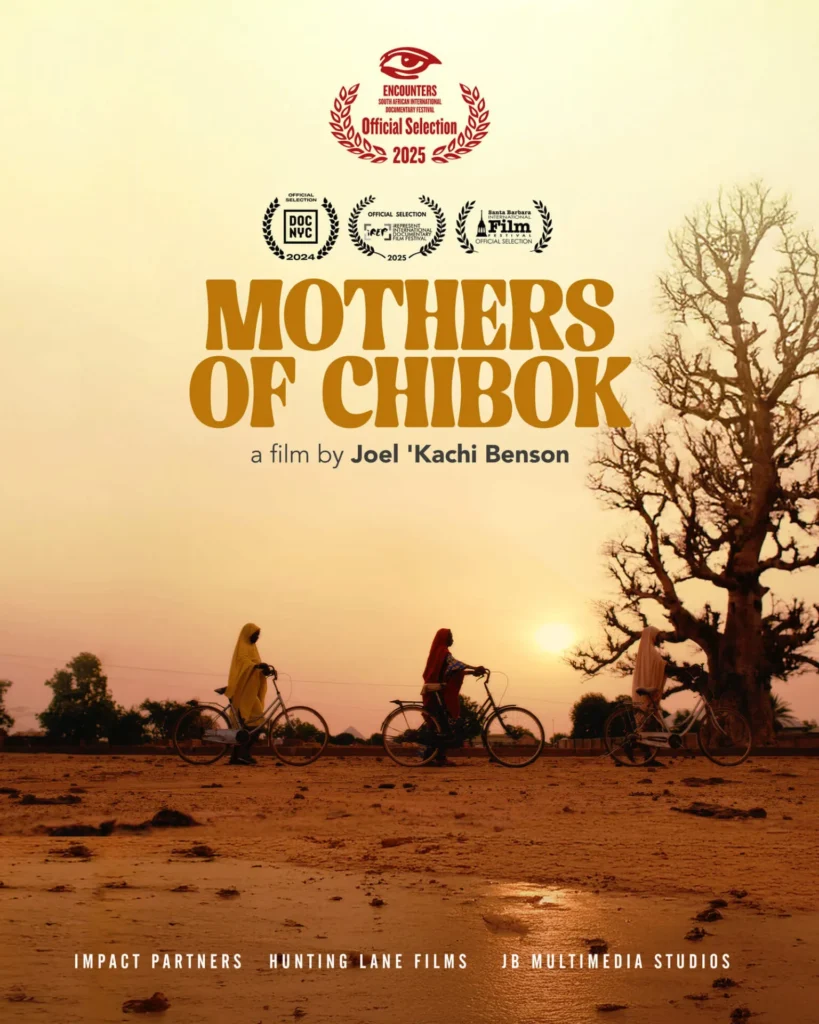
Mothers of Chibok film tells the moving story of four mothers coping with the 2014 schoolgirls’ abduction and life under Boko Haram terror
Mothers of Chibok, a film directed by Joel Kachi Benson, revisits the devastating impact of the Boko Haram insurgency while highlighting the resilience of mothers whose daughters were kidnapped in the Chibok schoolgirls kidnapping.
Also read: Omotola Ekeinde Surprises Nosa Rex With Heartfelt Flowers
The film marks the 10th anniversary of the 2014 attack in Chibok, where 276 schoolgirls were abducted from their boarding school in one of the most shocking terrorist incidents in Nigeria’s history.

According to the synopsis, the story follows four mothers struggling to keep their families and communities together after tragedy struck.
The women remain determined to educate their children despite the persistent threat posed by extremists opposed to Western education.
Unlike many mainstream productions, the film features relatively unknown actors who closely resemble the real faces of victims often seen in photographs released after rescue operations.
Their portrayals of Lydia, Miriam, Yana and Aisha deliver deeply powerful performances that reflect the emotional toll of living under terror.
The characters capture the grief of mothers waiting for news of their abducted daughters.
Scenes showing the women comforting each other after learning about the kidnappings stand out as some of the film’s most touching moments.
At the same time, the story balances sorrow with resilience. Moments of laughter and community bonding appear unexpectedly amid the tragedy, reflecting how villagers continue to live despite the constant fear of violence.
The narrative also confronts the harsh realities faced by survivors. Some rescued girls return home with children conceived during captivity, while other families must endure the uncertainty of not knowing whether their daughters are alive or dead.
Cinematography plays a major role in the film’s emotional impact. Sweeping drone shots capture the landscape of northern Nigeria, from rural farmlands to isolated villages, reminding viewers of the beauty and vulnerability of the region.
Camera composition often places viewers close to the characters, creating a sense of immediacy.
Even moments of silence carry tension, drawing audiences into the anxiety that defines everyday life in communities affected by insurgency.
Mothers of Chibok ultimately offers more than a retelling of tragedy. It is a portrait of courage and endurance in the face of extremist violence.
The film stands as a compelling reminder of the human cost of terrorism and why the fight for education remains vital in many parts of Nigeria.
Also read: Yul Edochie Celebrates Aki’s Surprise Visit on Movie Set
Mothers of Chibok earns a rating of 7.5 out of 10, and its message makes it particularly suitable for screenings in universities and schools across the country.














Omotola Ekeinde Bags Social Impact Award After Donation

Rykardo Agbor Survives Ghastly Car Crash Weeks After Father’s Burial

Lagosians Deserve Better Quality of Life, Leadership — Labour Party’s Odunaike


-

 Celebrity news4 weeks ago
Rita Edochie Welcomes Judy Austin’s N1bn Defamation Suit
-

 Celebrity news3 weeks ago
RMD Endorses Kamo State’s Star Lomo Despite Criticism
-

 Education3 weeks ago
Samuel Adebanjo Emerges LASU’s Best Graduate With 4.97 CGPA
-

 Celebrity lifestyle3 weeks ago
Uche Montana’s New Look Ignites Fresh Surgery Claims
-

 Nollywood3 weeks ago
Itele’s Koleoso Sets Stunning 141.6m YouTube Record
-

 Celebrity news4 weeks ago
Ruth Kadiri Explains Why She Kept Her Marriage Private
-

 Celebrity lifestyle4 weeks ago
Mide Martins Stuns Fans With Viral Throwback Photos
-

 Celebrity news3 weeks ago
Rita Edochie, Joke Silva Spark Buzz at Nollywood Premiere