
Celebrity news
Funke Akindele Under Fire for Celebrating Birthday on Ogogo’s Burial Day

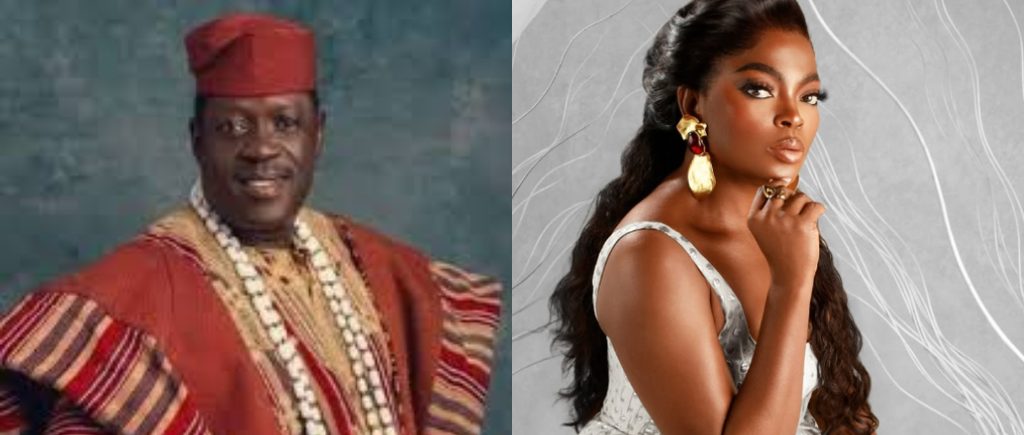
Funke Akindele backlash follows her birthday post on Ogogo’s burial day, sparking debate over sensitivity, grief and the right to celebrate life
Nollywood actress and filmmaker Funke Akindele faced criticism in Nigeria on Monday, August 24, 2026, after sharing a birthday message on the same day veteran Yoruba actor Taiwo Hassan, popularly known as Ogogo, was buried in Ilaro, Ogun State.
Also read: Breaking: Veteran actor Ogogo dies at 66
The timing of Akindele’s post prompted a lively social media debate over whether celebrating a personal milestone during a colleague’s funeral was insensitive or simply an example of life continuing alongside grief.

Akindele, who turned 49 on Monday, used her birthday message to express gratitude for another year and to pray for good health, longevity and the grace to fulfil her purpose.
“Today is my birthday. My heart is full of gratitude to God for all He has done, all He is doing, and all that is still to come,” she wrote in a message shared on social media.
She also prayed that her life would remain a testimony and that the way she lived would inspire others to believe, dream and persevere.
The message might ordinarily have passed as a familiar birthday reflection from one of Nigeria’s most recognisable entertainers. Instead, its timing became the subject of criticism because Ogogo had died only a day earlier and was being laid to rest in his hometown.
Ogogo died at about 3pm on Sunday, August 23, aged 66, after battling stage-four cancer. His family had disclosed the severity of his condition in the days before his death and appealed for medical assistance.
His remains were taken to Ilaro ahead of Monday’s funeral rites. The Ilaro Muslim Community announced burial prayers at the Asade Agunloye Pavilion Ground, while an earlier announcement by veteran actor Jide Kosoko said a lying-in-state ceremony would take place at the Pavilion.
The funeral drew several prominent members of the Yoruba film community, including Yinka Quadri, Jide Kosoko, Ireti Osayemi and Toyosi Adesanya, as colleagues and relatives gathered to honour the late actor.
Against that sombre backdrop, some social media users questioned Akindele’s decision to publish a celebratory birthday message.
One critic, Adewale, writing on X, accused the actress of failing to “read the room” and argued that Ogogo’s status as a senior colleague in the film industry called for greater restraint.
Another user, Olayinka Mujeeb Adeniyi, described the timing as unfair, while Victoria A said Akindele should have shown more sensitivity towards colleagues and fans mourning Ogogo.
A further criticism came from users who did not dispute Akindele’s right to celebrate her birthday but believed that the public expression could have been postponed until after the burial.
That argument reflects a wider Nigerian cultural expectation around funerals, particularly when a respected elder or member of a close professional community has died.
Public celebrations can sometimes be viewed as inappropriate when they occur alongside fresh mourning.
Yet the reaction was far from unanimous.
Several Nigerians defended Akindele, arguing that her birthday was a personal milestone and that another person’s death did not require everyone else to suspend their lives.
One X user, Joy Ikpefua, argued that it was unfair to expect Akindele to stop celebrating simply because Ogogo had died.
“Someone dying yesterday does not mean everyone who has a birthday today should cancel their own life,” she wrote.
Another user, Divya, similarly questioned why Akindele should be expected to postpone her birthday, arguing that people routinely continue working and living after the death of someone else.
Other supporters made a similar point: mourning is personal, and celebrating another year of life does not necessarily mean disrespecting someone who has died.
That distinction is important in understanding the controversy.
There is no indication in the available reports that Akindele intended her birthday post as a comment on Ogogo’s death or that the message was directed at the burial.
Her post itself focused on gratitude, faith and personal purpose rather than entertainment or celebration of excess.
At the same time, the criticism demonstrates the heightened expectations placed on prominent public figures. Akindele is not simply a private citizen celebrating a birthday.
She is one of the most visible figures in Nigeria’s film industry, meaning ordinary personal decisions can quickly become public conversations.
Ogogo’s death has also intensified emotions within the Yoruba film community because of his long career and influence.
The actor spent more than four decades in the industry and became one of the familiar faces of Yoruba-language cinema.
His death prompted tributes from colleagues, fans and public figures, while the Ogun State Government described his passing as a significant loss to the state and Nigeria’s creative industry.
The circumstances surrounding his final days added to the poignancy of the farewell.
His daughters had publicly appealed for assistance as his stage-four cancer worsened, with reports indicating that doctors had concluded that chemotherapy could no longer be administered because of his condition.
Ogogo’s burial therefore came with an unusually immediate sense of loss. His death was announced on Sunday, while his final rites took place the following day.
That compressed timeline helps explain why some Nigerians viewed Akindele’s birthday post through the lens of mourning rather than as an isolated personal celebration.
There is also a history of professional connections between the two actors.
Akindele belongs to the generation that rose to prominence within an industry shaped by veterans such as Ogogo, whose work helped establish Yoruba cinema as a powerful part of Nigeria’s entertainment landscape.
Still, the social media debate has produced no clear consensus.
For Akindele’s critics, sensitivity sometimes requires temporarily stepping back from personal celebrations when the wider community is grieving.
For her defenders, expecting someone to abandon a birthday because another person has died risks imposing a single standard of grief on people whose circumstances and relationships are different.
Both positions reveal something about contemporary Nigerian public life, where social media has made personal moments increasingly subject to collective judgement.
For now, the controversy remains centred on the timing rather than the substance of Akindele’s birthday message.
Ogogo has been laid to rest in Ilaro, surrounded by family, friends and colleagues who came to honour his legacy. Akindele, meanwhile, has marked another year of her own life with a message of gratitude and hope.
The powerful tension between those two events has generated the backlash, but it has also opened a more nuanced conversation about how people are expected to balance celebration, grief and public sensitivity.
In the end, the debate may be less about whether Funke Akindele had the right to celebrate her 49th birthday and more about whether a public celebration on the day of Ogogo’s burial was the right choice.
Also read: Breaking: Veteran actor Ogogo dies at 66
For some Nigerians, the answer is clearly no. For others, life and death can occupy the same day without one diminishing the other.





Charles Inojie Explains Why God Created Side Chicks

Omotola Jalade Reveals How Fame Keeps Her From Market

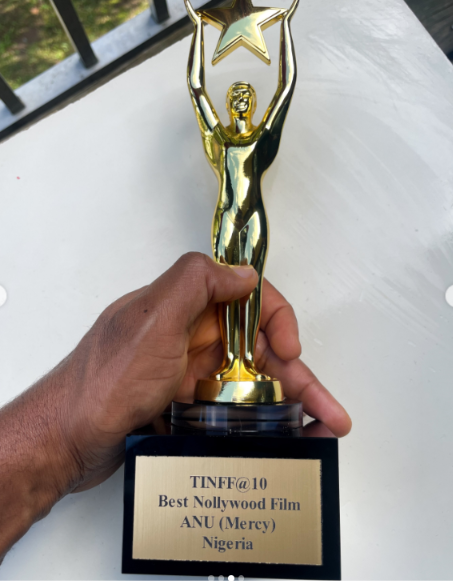
‘Anu (Mercy)’ Wins Best Nollywood Film Award at TINFF 2026


-
 Celebrity news4 weeks ago
Nollywood showers love on Patience Ozokwor at 68
-

 Celebrity news3 weeks ago
Patience Ozokwo Asks Fans to Pray After Turning 68
-
 Celebrity news3 weeks ago
Adunni Ade Says Christian Fans Unfollowed Over Faith
-

 Celebrity news4 weeks ago
Stan Nze, Blessing Obasi Renew Vows on Fifth Anniversary
-
 celebrities4 weeks ago
Stella Damasus Sets Firm Standards for Daughter’s Future Partner
-

 Nollywood2 weeks ago
Ikenga Becomes Highest-Grossing Igbo Film at ₦103.4m
-

 Celebrity opinion3 weeks ago
Osuofia Will Turn Two Films Into Seven Unless You Direct Him Hard
-

 Nollywood3 weeks ago
Funke Akindele Misses Kamo Premiere While on Ghana Staycation